How to Bet on Formula 1 Racing in 2026: A Strategy Guide to Stakes, Markets and Track Angles
How do you bet on Formula 1 racing in 2026?
If you want to learn how to bet on Formula 1 in 2026, here are the 7 best ways to get your stakes right:
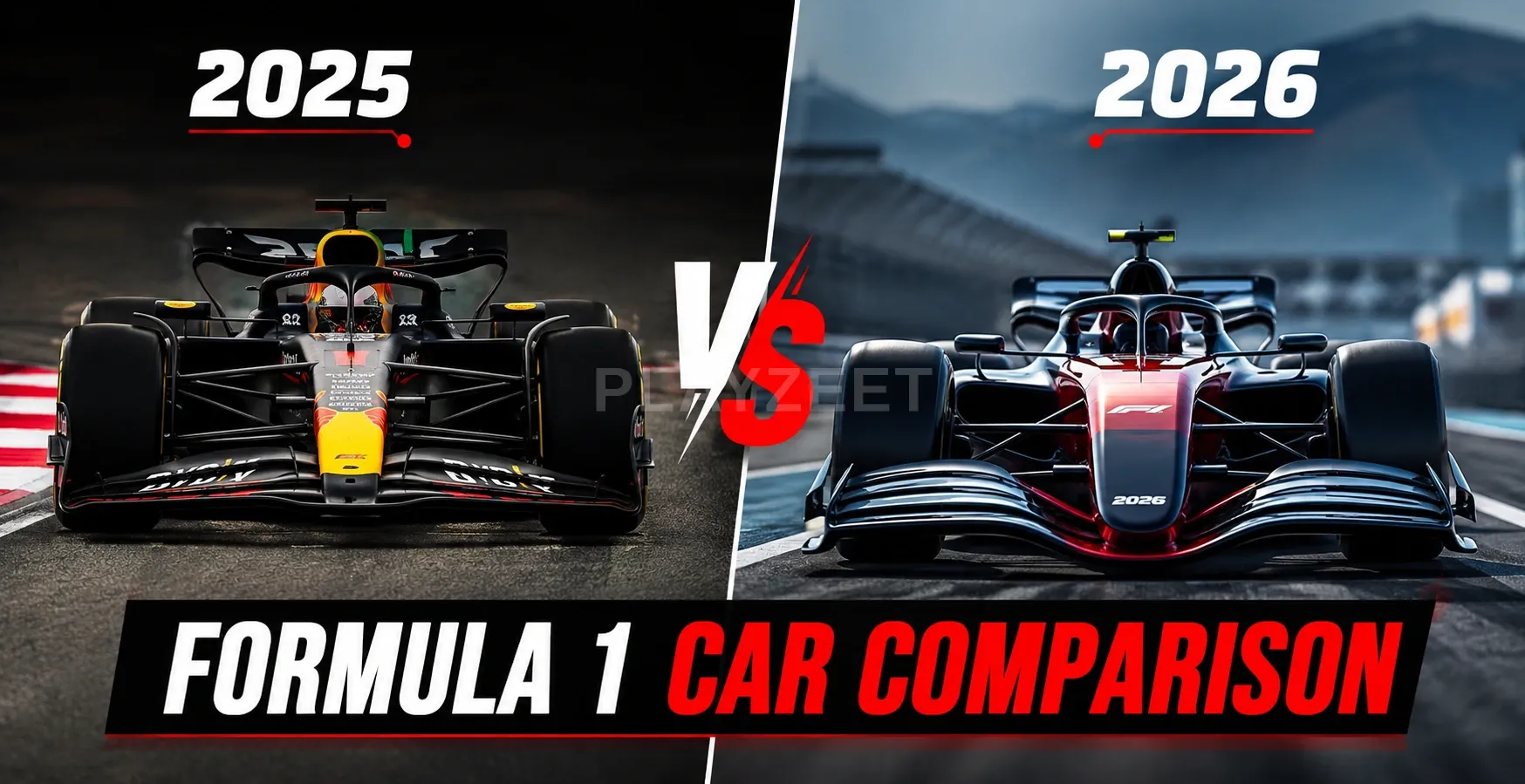
The 2026 cars run smaller, lighter chassis with full time active aero wings that replace DRS entirely, which changes where and how overtaking actually happens.
Six core markets cover almost everything worth staking on: race winner, podium finish, pole position, fastest lap, sprint result and head to head driver duels.
Qualifying pace does not guarantee race pace once tire degradation, fuel load and the new active aero deployment zones come into play on Sunday.
Street circuits reward precision and low mechanical risk, while power circuits reward straight line speed from the rebuilt power units, so track type should shape your stake.
Kimi Antonelli and Mercedes currently hold a commanding championship lead, but momentum can shift fast once cooler, higher downforce circuits arrive later in the year.
On PlayZeet, you agree a stake directly with another real fan instead of accepting a price set by a company, so there is no hidden margin working against you.
Group Betting turns a single Grand Prix into a shared event with friends, using Open, Exclusive or Private formats depending on who you want in on the action.
This guide walks through exactly what changed on the grid, the core markets worth learning, how to read a circuit before you stake on it, how to build a simple model instead of guessing, and precisely how to place a stake on a complete beginner's guide to PlayZeet, from opening the app to watching your bet settle.
What Actually Changed on the Grid for 2026
Martin Brundle called it the biggest change ever in the sport, and the numbers back that up. This is not a tweak to wing height or a new tire compound. It is a different car, a different engine philosophy and a different way of overtaking, all landing in the same season.
The Power Unit Gets Rebuilt From the Ground Up
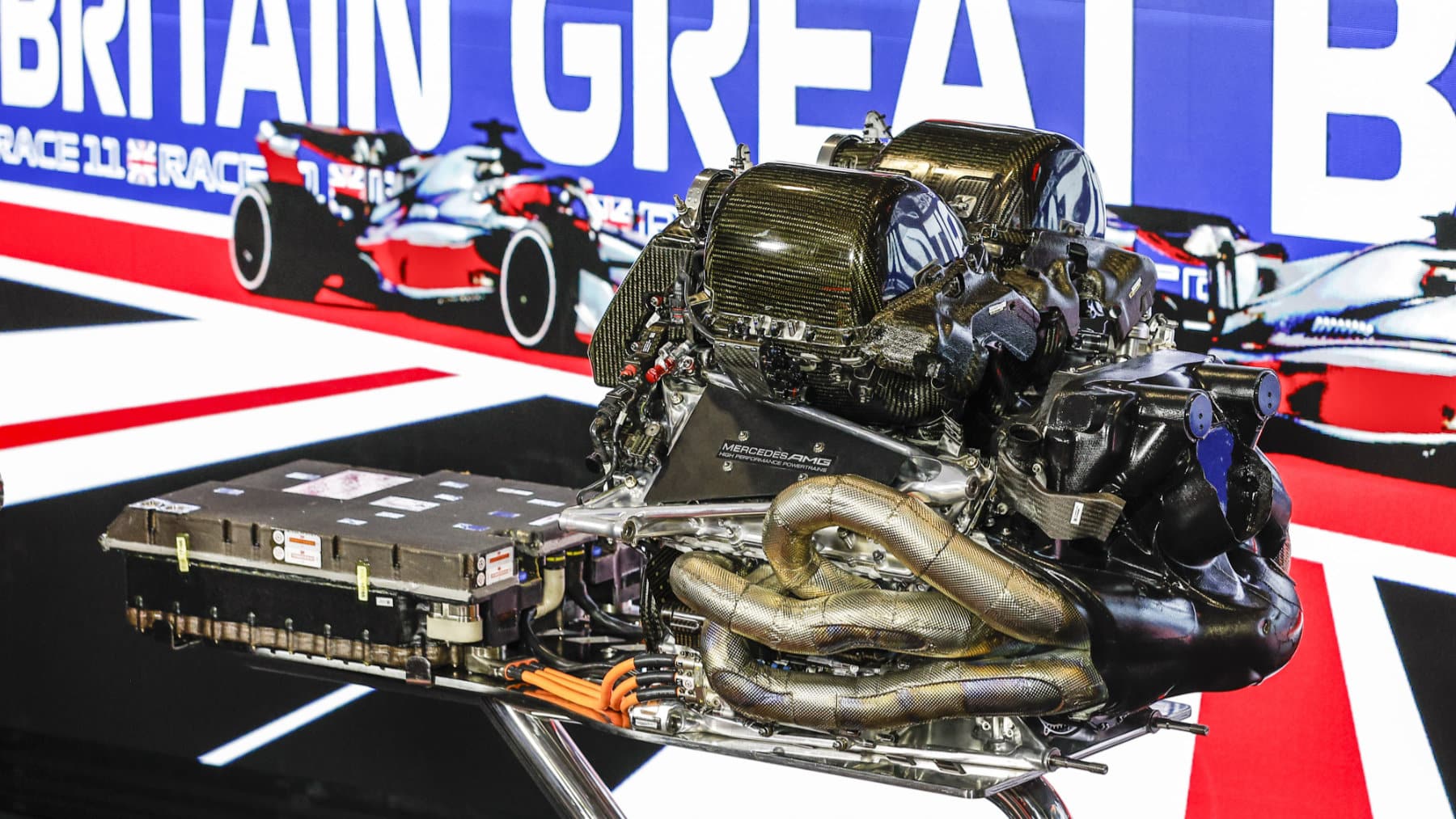
Electrical power now makes up roughly half of total output, up from around 20 percent under the old rules. The MGU-K, the motor generator unit that handles kinetic energy recovery, now delivers approximately 350kW, about three times its previous output. The MGU-H, which recovered heat energy from the turbo, has been removed entirely to simplify the powertrain.
The 1.6-litre V6 turbo block stays, but every car on the grid now runs on 100 percent sustainable fuel produced from biological waste, municipal waste or direct air capture, part of the sport's push toward net zero emissions by 2030.
For a bettor, the practical takeaway is this: teams that nailed the new hybrid deployment strategy have an edge that shows up specifically in how a car exits slow corners and how it manages battery depletion over a full race distance, not just in one qualifying lap.
Smaller, Lighter Cars With Full Time Active Aerodynamics

The chassis itself shrank. Wheelbase is down 200mm to 3400mm, width is down 100mm to 1900mm, floor width is cut by 150mm, and minimum weight has dropped 30kg to 770kg.
Pirelli's 18-inch tires stay the same diameter but the front wheels narrow by 25mm and the rears by 30mm, with wider operating windows designed to reduce overheating when a car runs in another car's dirty air.
DRS is gone completely. In its place, every car now runs active aero: front and rear wings that physically change angle depending on where the car is on the circuit, switching between a low drag straight line mode and a high downforce cornering mode automatically.
Drivers get an overtake boost when running within one second of a rival, similar in spirit to the old DRS zones but governed by the wings themselves rather than a single flap.
For safety, straight mode is disabled until after Turn 1 on a standing start, and a short additional window has been built into start procedures to let the turbo spool up and avoid dangerous closing speeds into the first corner.
In wet or low grip conditions, overtake mode is disabled and a boost mode is used solely to stop a car losing power, never to add extra power.
New Faces on the Grid
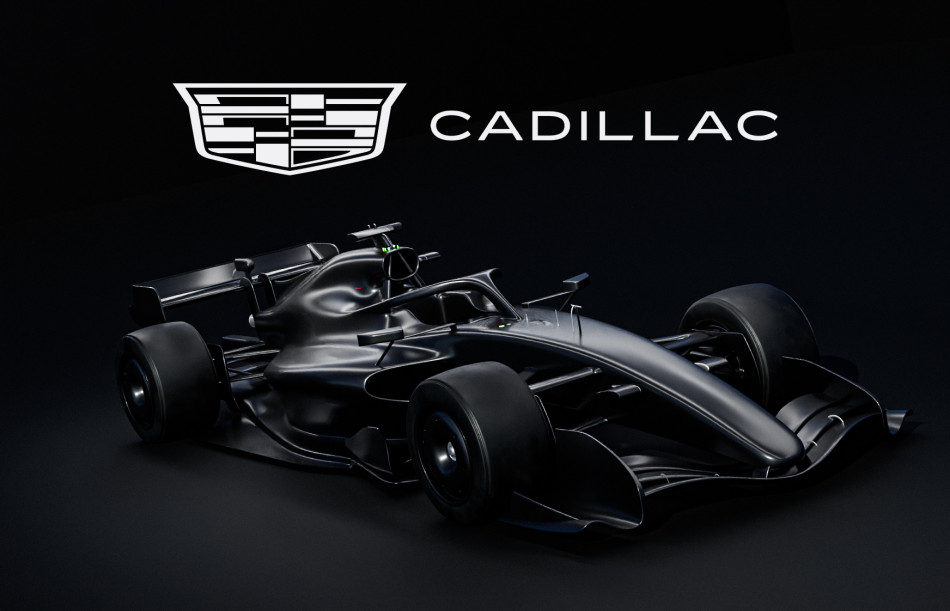
Cadillac joined as Formula 1's 11th team, bringing the grid to 22 cars. Sauber has been rebranded as a full Audi works team, and Ford has partnered with Red Bull as a power unit manufacturer.
None of these entities carry a season of 2025 form to lean on, which matters for anyone staking early season markets involving them. Early practice pace tells you more about a new operation than last year's constructor standings ever could.
Calendar Shake Up: Madrid In, Imola Out
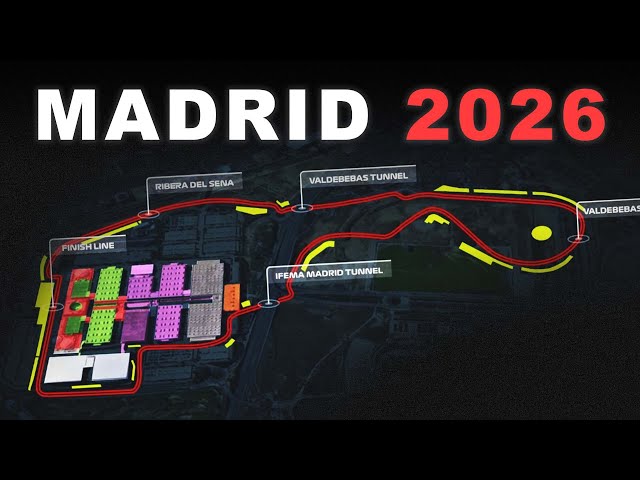
Madrid hosts a brand new street circuit this year, while Imola has dropped off the schedule after its contract lapsed. Monaco moved from its traditional late May slot to early June, and the Canadian Grand Prix shifted to late May.
The season opened at Albert Park in Melbourne to a record weekend attendance north of 465,000 fans. A circuit with zero historical data, like Madrid, deserves a smaller and more cautious stake built from practice session pace rather than assumption.
Treat a new-regulation season with extra caution
When the technical rules change this dramatically, the historical form guide you are used to leaning on becomes far less reliable. Watch the first three practice sessions of a weekend closely, particularly long run pace rather than single lap qualifying simulations, before staking anything meaningful on that Grand Prix.
The Six Core Markets Worth Learning First
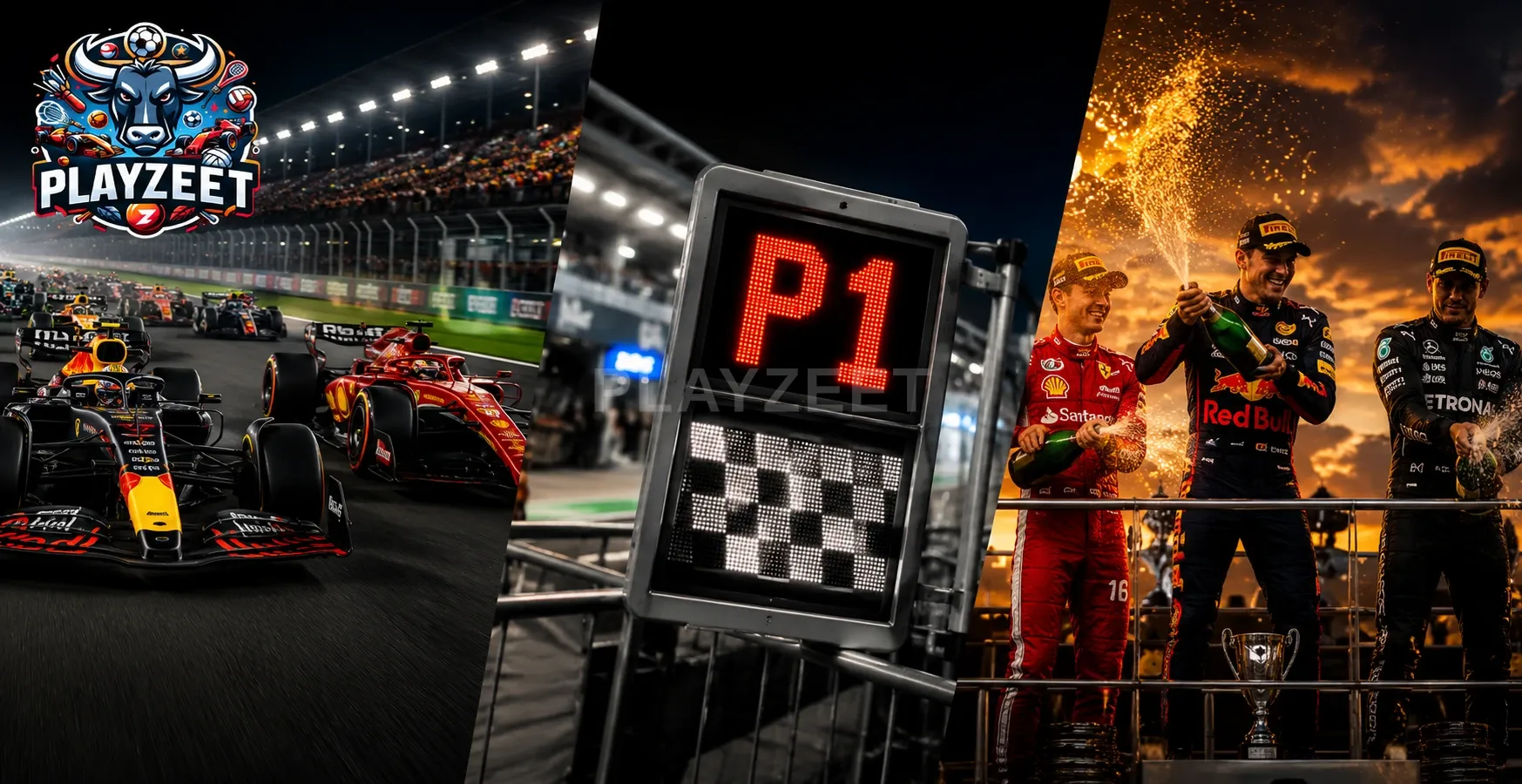
Formula 1 offers dozens of ways to stake a prediction, but almost everything useful for a new or intermediate bettor sits inside six markets. Learn these properly before touching anything more exotic, and keep a full glossary of betting terms open if any of the language below is unfamiliar.
1. Race Winner
The simplest and most competitive market. You predict which driver crosses the line first on Sunday. This is the market with the most information already priced in by everyone else staking, so genuine edges tend to be smaller here than in more specific markets.
2. Podium Finish (Top 3)
You predict that a specific driver finishes in the top three, without needing to call the exact position. This gives you more margin for error than race winner while still requiring a genuinely strong result, which makes it a good market for a driver you rate highly but are not fully confident will win outright.
3. Pole Position
A prediction on Saturday's qualifying result rather than Sunday's race. Pole position markets reward bettors who track single lap pace specifically, since a car built for one blistering lap on low fuel does not always translate into the strongest race pace on Sunday with a full tank and degrading tires.
4. Fastest Lap
A prediction on which driver sets the single quickest lap of the race, regardless of finishing position. This market is often decided late in a race by a driver on fresh tires with nothing left to lose, which makes it genuinely different from predicting the race winner and worth tracking as its own skill.
5. Sprint Result
On sprint weekends, Saturday's shortened race distance produces its own separate result and its own separate points. Sprint races reward cars that are strong over a single 100km stint without the tire degradation concerns of a full Grand Prix distance, so a team's sprint form and Grand Prix form do not always match.
6. Head to Head Driver Duels
Rather than predicting an outright winner, you stake on which of two named drivers finishes ahead of the other, regardless of where either of them lands overall.
This is one of the most practical markets for a beginner because it narrows your research to comparing two specific cars and two specific drivers, rather than the full 22-car field.
Understanding the mechanics of back and lay staking is especially useful here, since you can back one driver to beat the other or lay that same prediction if you believe the gap will be closer than the market expects.
Building a Simple Prediction Model Instead of Guessing
Most bettors watch a race, form a gut feeling, and stake on it. That is not a strategy, that is a guess with extra steps. A working model does not need to be complicated. It needs to be consistent.
Compare Practice Pace, Not Just Grid Position
Qualifying position tells you who was fastest over a single lap on a light fuel load. It does not tell you who will be fastest over 60 or 70 race laps carrying a full tank and managing tire wear. Long run pace from Friday and Saturday practice, ideally compared on a similar fuel load between cars, is a far more reliable signal for race winner and podium markets than the grid sheet alone.
Track the Undercut and Tire Strategy Windows
The undercut, pitting a lap or two before a rival to gain track position on fresh tires, remains one of the most decisive tactical tools in modern F1. Teams that consistently execute clean pit stops and read the undercut window correctly tend to outperform their raw car pace on race day.
Watching a team's pit stop timing across a season is a genuinely underused piece of information for race winner and fastest lap staking.
Watch for Team Orders Late in the Championship
Once a title fight tightens, teams occasionally favour one driver over their teammate to protect championship points. This matters enormously for head to head and podium markets between teammates in particular.
Kimi Antonelli's current championship lead over Lewis Hamilton means Mercedes has every incentive to prioritise clean strategy for its lead driver as the season progresses, which is worth factoring into any teammate head to head stake.
Use a One-Series Focus Instead of Betting Every Grand Prix
The same principle that makes a football bettor better at football applies directly to F1: depth beats breadth. A bettor who tracks every team's upgrade path, every driver's qualifying tendencies and every circuit's characteristics across a full season has a genuine information edge over someone dipping in and out.
If motorsport is the one thing you actually follow closely, lean into it rather than spreading attention across five different sports.
This is the same logic covered in specialising deeply in one sport, and it applies just as well to a full F1 championship as it does to a domestic football league.
Factor In Grid Penalties and Reliability
Power unit component penalties still apply in 2026, and a driver dropping ten or more places on the grid for an unscheduled engine change changes a race winner or podium calculation completely, regardless of how fast their car actually is.
Check the official FIA penalty list before staking on any driver who has had a recent mechanical issue, and treat a car's reliability record across the season as seriously as its outright pace. A driver with the fastest car in the world is still a poor podium stake if that power unit has failed twice in the last four races.
How Stake-Based Betting on PlayZeet Actually Works for Formula 1
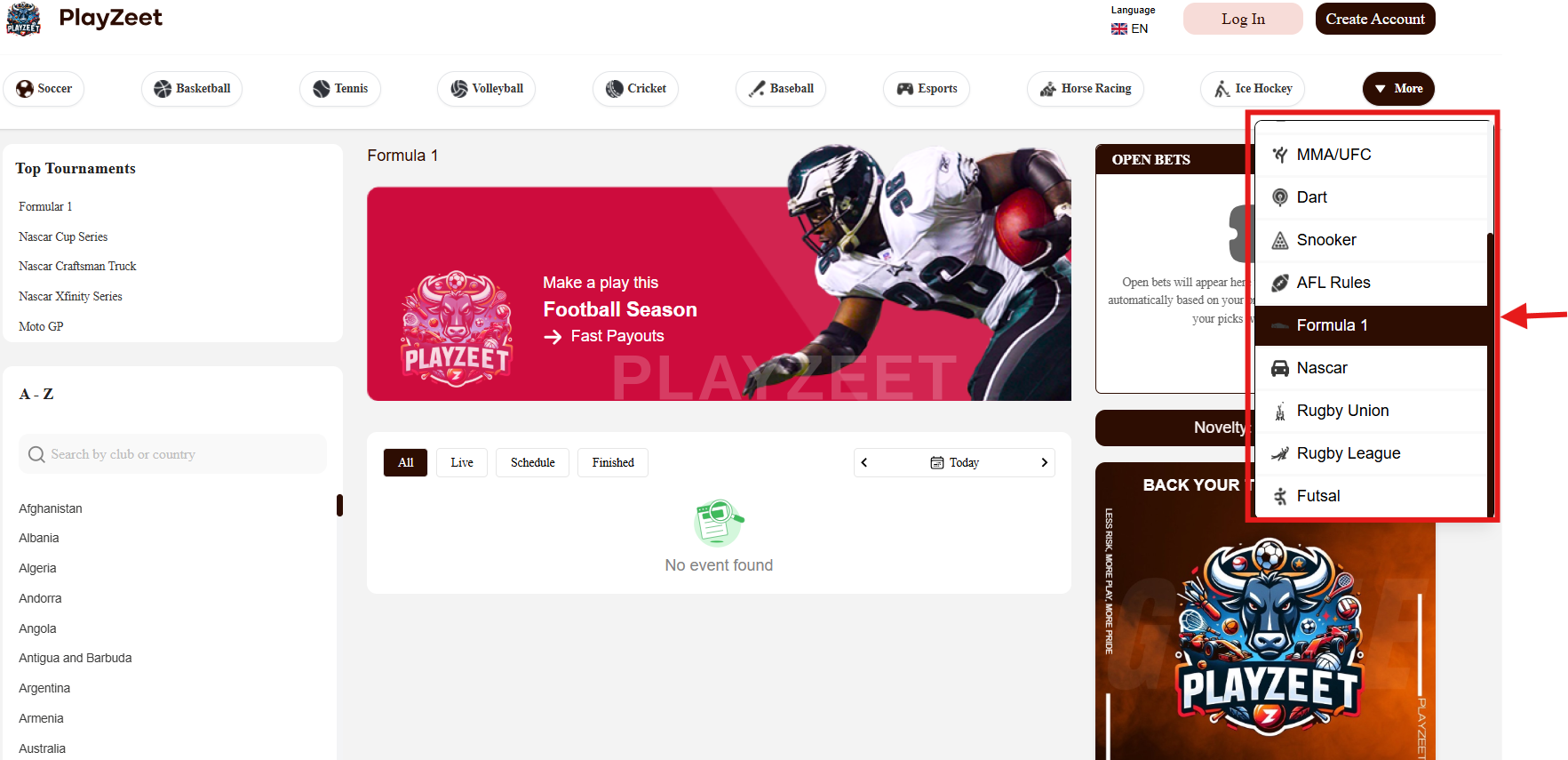
PlayZeet does not price F1 markets like a traditional sportsbook. There are no odds. You agree a stake directly with another fan who holds the opposite view on the same session or race.
PlayZeet holds both stakes in escrow, confirms the result at the chequered flag, and pays the winner, taking a small commission from the winner.
Kimi Antonelli leads the 2026 Drivers' Championship with 219 points, 50 clear of Ferrari's Lewis Hamilton, after six wins, six poles and nine podiums.
Mercedes leads the Constructors' Championship with 379 points, 72 clear of Ferrari. Lando Norris won the most recent race at the Hungaroring.
With the Dutch Grand Prix at Zandvoort on 23 August approaching, a bettor who believes Antonelli extends his lead can stake that view directly against someone backing Hamilton, Norris or a Red Bull driver to close it.
Backing and Laying an F1 Prediction
Backing means selecting an outcome you believe will happen and staking on it. Laying flips that: you stake on an outcome not happening. Say you believe Hamilton will not podium at Zandvoort. You can lay that prediction and collect the other side's stake if he finishes fourth or lower.
Group Betting: Turning a Grand Prix Into a Shared Event
F1 is watched in groups more than almost any sport, whether that's friends in a living room or a group chat all weekend. PlayZeet's Group Betting is built for that.
An Open bet on Zandvoort's winner is listed publicly for anyone to join. An Exclusive bet is joinable only via a shared link. A Private bet goes directly to people you choose. All three formats follow the same escrow and automatic settlement process, so turning race day into group betting with your own circle takes only a few taps to set up.
Novelty Betting on Season-Long F1 Storylines
Not every F1 prediction fits a single race weekend. Whether Antonelli seals the title early, which rookie scores their first podium, or which team wins its first Grand Prix are season-long storylines rather than single-race markets.
Novelty Betting lets users request custom markets on these, provided the result can be confirmed through a reliable public source such as the official FIA classification.
Funding Your Wallet and Staying Compliant
Getting money onto PlayZeet does not require a government ID at sign-up. Identity assurance leans on the bank verification you already completed, and withdrawals can only go to a linked account whose name matches your PlayZeet profile.
Cross the default limit of 200,000 naira or 500 US dollars, and enhanced verification kicks in, requiring a government ID and recent bank statement. Every stake is authorised with your own Transaction PIN.
It's worth weighing PlayZeet against the wider peer-to-peer field.
A ranking of leading exchange platforms covers how PlayZeet's stake-only model, Group Betting and Novelty Betting compare with other P2P sites, and why the absence of odds altogether is a genuinely rare structural choice in this space. If you want the full breakdown of what separates PlayZeet from a traditional sportsbook beyond just F1, ten features setting PlayZeet apart covers the rest in detail.
How to Place Your First F1 Stake on PlayZeet, Step by Step
Go to www.playzeet.com in your phone or desktop browser. There is nothing to download, and the whole sign up process takes about five minutes.
Create your account with your full name, email address and phone number, then set a password and a secret question for extra security.
Verify your email with the OTP code PlayZeet sends you, then create a Transaction PIN, which authorises every stake and withdrawal going forward.
Fund your wallet through the Deposit section. Start with an amount you are genuinely comfortable treating as entertainment money, not your full bankroll.
Open the sport selector and choose Formula 1, then pick the specific session or Grand Prix you want to stake on, such as the Dutch Grand Prix at Zandvoort.
Select your market: race winner, podium, pole position, fastest lap, sprint result or a head to head duel between two named drivers.
Choose whether you are backing that outcome to happen or laying it to not happen, and read PlayZeet's on-screen explanation of what each choice means before continuing.
Enter your stake amount, review the total you are committing, confirm your wallet balance covers it, then authorise the bet with your Transaction PIN.
Track your bet's status in your bet history. It shows Pending while waiting for a match, Active once another user takes the opposite side, and Settled once the chequered flag falls and PlayZeet pays out automatically.
Common Mistakes First-Time F1 Bettors Make
A handful of avoidable errors account for most of the frustration new F1 bettors run into. Watch for these before you stake.
Staking on grid position alone. Qualifying pace and race pace are genuinely different skills, and plenty of drivers who struggle on a single lap are excellent race day operators once tires and fuel load come into it.
Ignoring the weather forecast entirely. A 30 percent chance of rain at a circuit with poor drainage is a real factor, not a footnote, and it can flip an entire race winner market on its own.
Treating every circuit the same. A driver who dominates power circuits like Monza will not automatically repeat that form at a technical, high downforce venue like Hungaroring, and vice versa.
Chasing a bad weekend with a bigger stake the following race. One wrong prediction does not mean the next one is due to land, and staking bigger to recover a loss is how a manageable bankroll disappears fast.
Overlooking teammate dynamics. Two drivers in the same car with the same equipment still produce very different head to head results depending on setup preference, tire management style and how a team is prioritising the championship.
If you are new to staking altogether and want the fundamentals before your first Grand Prix bet, essential answers for new bettors and explore every bet type available on PlayZeet are the two best places to start. For bettors who want to go further with an actual numbers-based approach, a mathematical model for predicting outcomes and smart bankroll management principles here both apply just as well to Formula 1 as they do to football.
Frequently Asked Questions
- What is the safest F1 bet for a complete beginner?
- A single head to head duel or podium finish stake on a Grand Prix you have actually watched practice sessions for is the safest starting point. Avoid combining multiple predictions into one bet until you are comfortable with how a single market behaves across a full race weekend, since one wrong leg ruins the entire combination.
- Can you group bet on a single Grand Prix with friends on PlayZeet?
- Yes. PlayZeet's Group Betting feature supports Open bets that anyone on the platform can join, Exclusive bets only reachable through a shared link for your own circle, and Private bets sent directly to specific people you choose. All three settle automatically once the official race result is confirmed.