"It's a Shame!" Why Lando Norris Joined Verstappen to Blast F1 Bosses Over 2026 Regulations at the Hungarian GP
What did Lando Norris say about F1's 2026 regulations at the Hungarian Grand Prix?
Formula 1 arrived in Budapest for the last race before its summer break carrying a row that had been building since the season-opening weekend in Australia. By the time the paddock reached Hungary, two of the grid's most recognisable drivers, on opposite ends of most other arguments this year, were suddenly saying versions of the same thing about the sport's 2026 regulations. One of them is the reigning world champion. The other has spent most of the season saying he told everyone so.
Quick Summary: Norris and Verstappen's Joint Blast at F1 Bosses
If you're in a hurry, don't worry! Here are the 7 things worth knowing about what Norris, Verstappen, and the rest of the grid said in Hungary:
Lando Norris told reporters ahead of the Hungarian Grand Prix that Formula 1 has been too heavily driven by business decisions rather than what is best for the sport.
Norris said the 50-50 hybrid engine split exists mainly because it persuaded manufacturers such as Audi to join the grid, and he called the outcome regrettable.
Max Verstappen said more people are now seeing the problems with the 2026 cars that he has been warning about since early in the season.
Norris and Verstappen do not agree on everything. Norris pushed back on Verstappen's view that faster drivers can no longer make a difference on track.
Formula 1 responded that the sport on track remains the priority and that decisions are made for the best outcome for fans, teams, and partners.
Qualifying for the Hungarian Grand Prix produced grid penalties for Lewis Hamilton and Kimi Antonelli, and a water leak for George Russell, on the same day the row peaked.
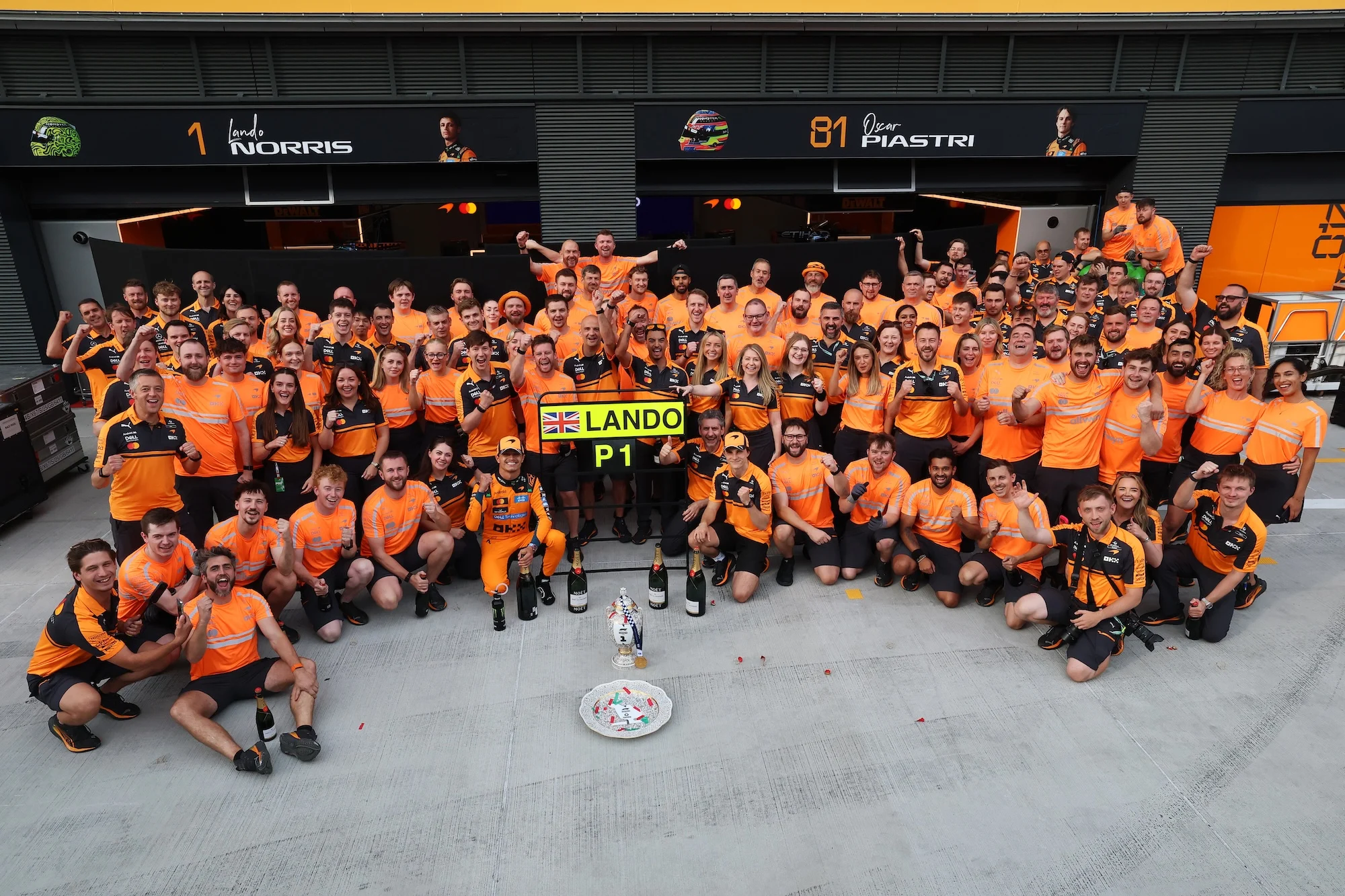
Lando Norris took pole and went on to win the race from the front using a one-stop strategy his own team had not expected to work.

Norris to Reporters in Hungary: ‘It’s a Shame’
Norris did not soften the point when reporters put it to him in Budapest. Asked about the engine regulations that have dominated the paddock conversation since Silverstone and Spa, the McLaren driver said plainly that Formula 1 has become a business first and a sport second.
“It's a business,” Norris said, explaining that the current 50-50 split between combustion and electrical power was largely designed to persuade manufacturers such as Audi to join the grid. He argued the sport should never have gone down that path in the first place, framing it as simply how businesses operate rather than how a sport ought to be run.
Long-Standing Fans ‘Must Hate’ the New Rules, Norris Says
Norris went further, drawing a line between fans who followed the sport before Netflix's Drive to Survive series and those who arrived with it, arguing the newer audience cares more about driver personalities than the mechanics of the racing itself. Long-standing fans, he suggested, must simply hate what the sport has become.
Fans from five years ago, before Drive to Survive, would hate it
Newer fans are drawn more to personalities than to the sport as a whole
The biggest voice in the sport, he argued, should always belong to the drivers
Formula One has entered a new engine era for 2026, splitting power roughly evenly between the internal combustion engine and an electrical unit, a change the sport has credited with attracting new manufacturers to the grid, including Audi's takeover of the Sauber team and Cadillac's arrival as an eleventh constructor. The rules are already scheduled to be adjusted again for 2027 to reduce the electrical contribution.— Key facts
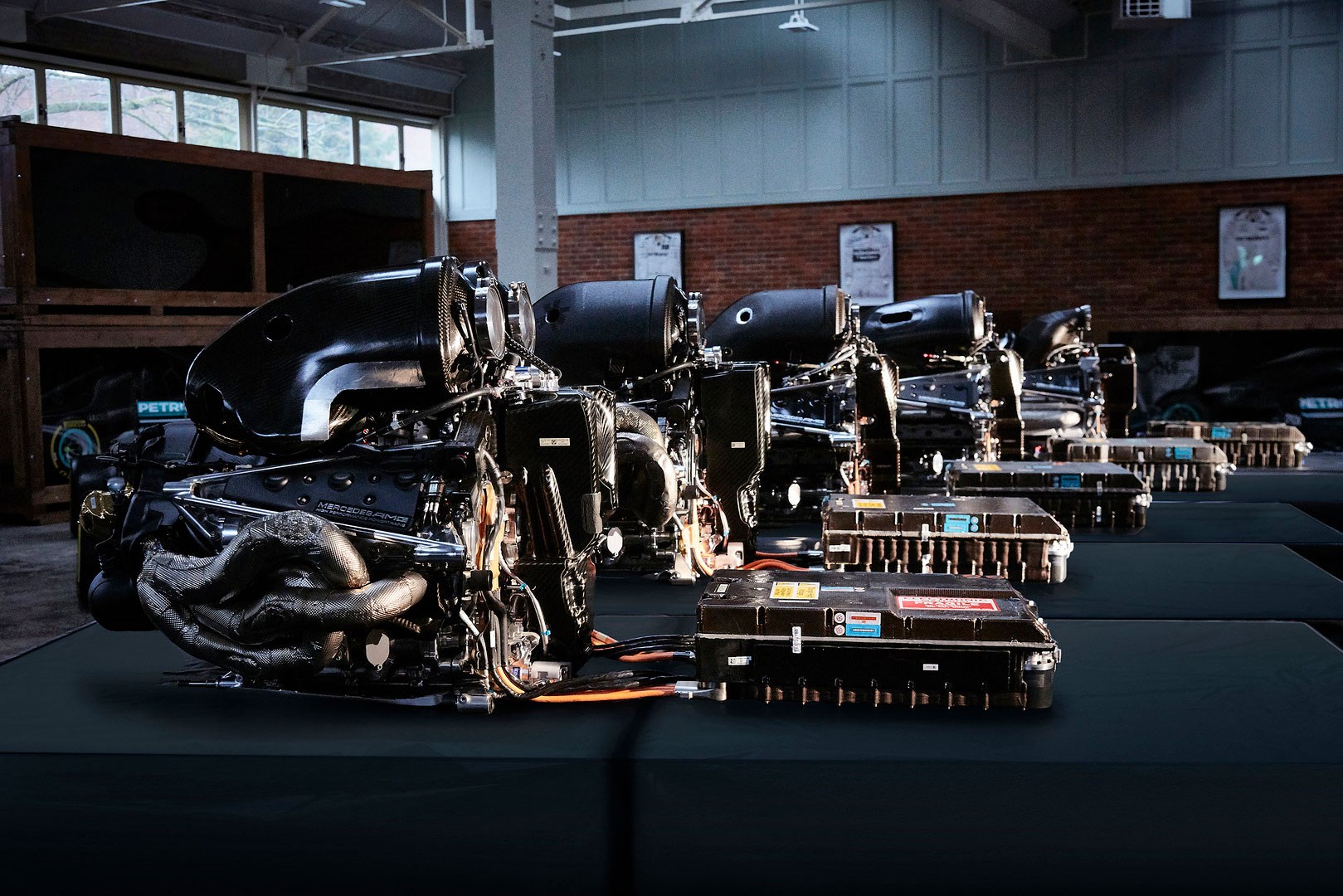
F1 Bosses Already Shut Down Any Rewrite
None of this is a new fight. Mercedes boss Toto Wolff shut the door on any rethink of the 2026 rules years before a car ever turned a wheel under them, telling reporters at the time there was “zero chance” of a rewrite after Red Bull's Christian Horner pushed for changes to the electrical split. That stance has not moved since, which is part of why Norris and Verstappen's comments in Hungary landed as frustration rather than a genuine request.
A Formula 1 spokesperson responded to the fresh criticism by insisting the sport on track remains the priority and that every decision is made with fans, teams, and partners in mind, a line that has done little to quiet the paddock's mood heading into the summer break.
Verstappen Was Saying This Long Before Norris
If Norris's comments were new, Verstappen's were not. The four-time champion has been the loudest and most consistent critic of the 2026 rules since preseason testing, when he described the new cars as no fun to drive and warned they would hurt the longevity of a driving career built on close racing rather than energy management.
By Hungary, Verstappen's tone had shifted from frustration to vindication. “It's not about me not winning anymore,” he told reporters, explaining that his motivation was that he genuinely cares about the product. He added that people who dismissed his early complaints are now seeing the same pattern for themselves.
‘Formula E on Steroids’: Verstappen's Harshest Line Yet
Verstappen's central technical complaint is that the sport's energy deployment software neutralises the advantage a quicker driver would normally build through a corner, since carrying extra speed can cost energy later on the straight. Earlier in the season he summed up the feeling in blunter terms, calling the racing style “Formula E on steroids” and arguing it worked against everything he had built his career around.
Small differences in throttle input can swing how much electrical power is available later in the same lap
Overtaking has increasingly come down to which car has battery charge left rather than a genuine driving move
Verstappen said he no longer enjoys passes that happen mid-straight with no braking duel involved
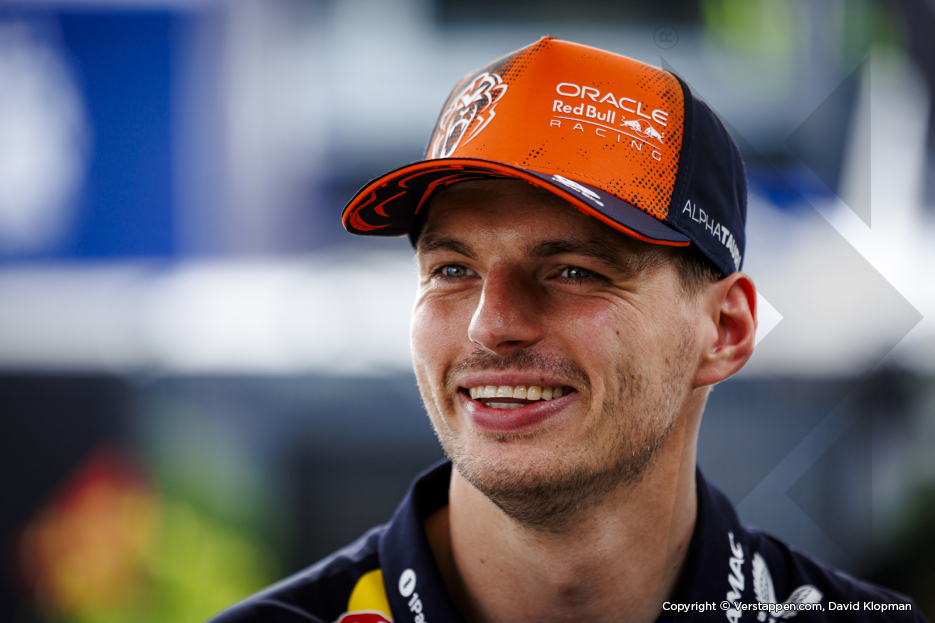
He also addressed an earlier comment from Spa, where he had joked that people might want to “shoot” him for continuing to complain, clarifying in Hungary that the remark had been a joke rather than a sign he had been pressured into silence.
Why is Max Verstappen criticising Formula 1's 2026 regulations?
Verstappen argues that the sport's energy deployment rules neutralise the advantage a faster driver should have through a corner, since carrying extra speed can cost battery power later on the straight, and he has said this compresses the gaps between drivers and teammates that used to reward raw pace.
Norris and Verstappen Don't Agree on Everything
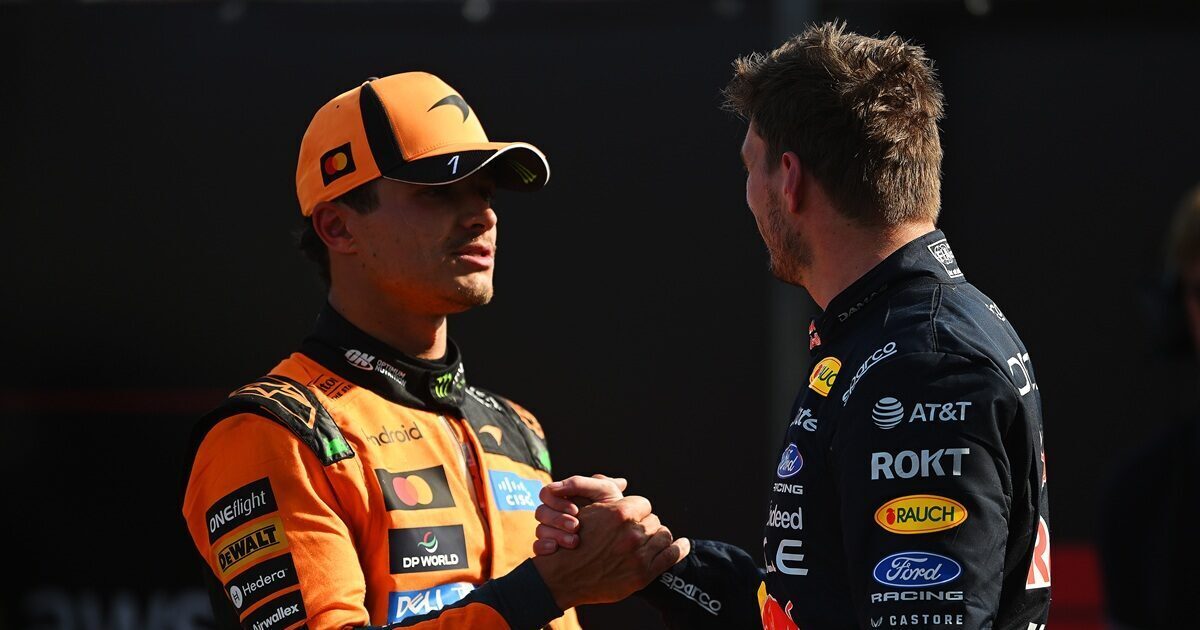
The two drivers' complaints overlap on the business side of the sport, but not entirely on the driving side. Where Verstappen argues that the fastest drivers can no longer make a difference, Norris pushed back directly when the comparison was put to him in Hungary.
“You certainly can,” Norris said of a driver's ability to still stand out, adding that a good driver remains a good driver even if some corners have become less rewarding to attack. He pointed to the Hungaroring specifically, arguing that its medium-speed corners actually offer more room for a skilled driver to gain time under the 2026 rules, not less.
Norris Has Little Sympathy for Drivers Still Adjusting
Norris was notably unsympathetic toward teammates and rivals who have struggled to adjust their driving style to the new cars, pointing to George Russell's well-documented difficulties at Mercedes. Norris said he has had to change his own driving style every year of his career and sees that as simply part of the job description at this level.
That same weekend at Spa before Hungary, Norris had separately complained that power unit unpredictability was costing him lap time through no fault of his own, calling it “a shame” that so many things affecting a driver's pace were now out of his control, a phrase that would resurface just days later applied to the business side of the sport instead.
Two drivers who agree on almost nothing else this season somehow arrived at the same word for how Formula 1 is being run: a shame.
The Paddock and Fanbase Are Taking Sides
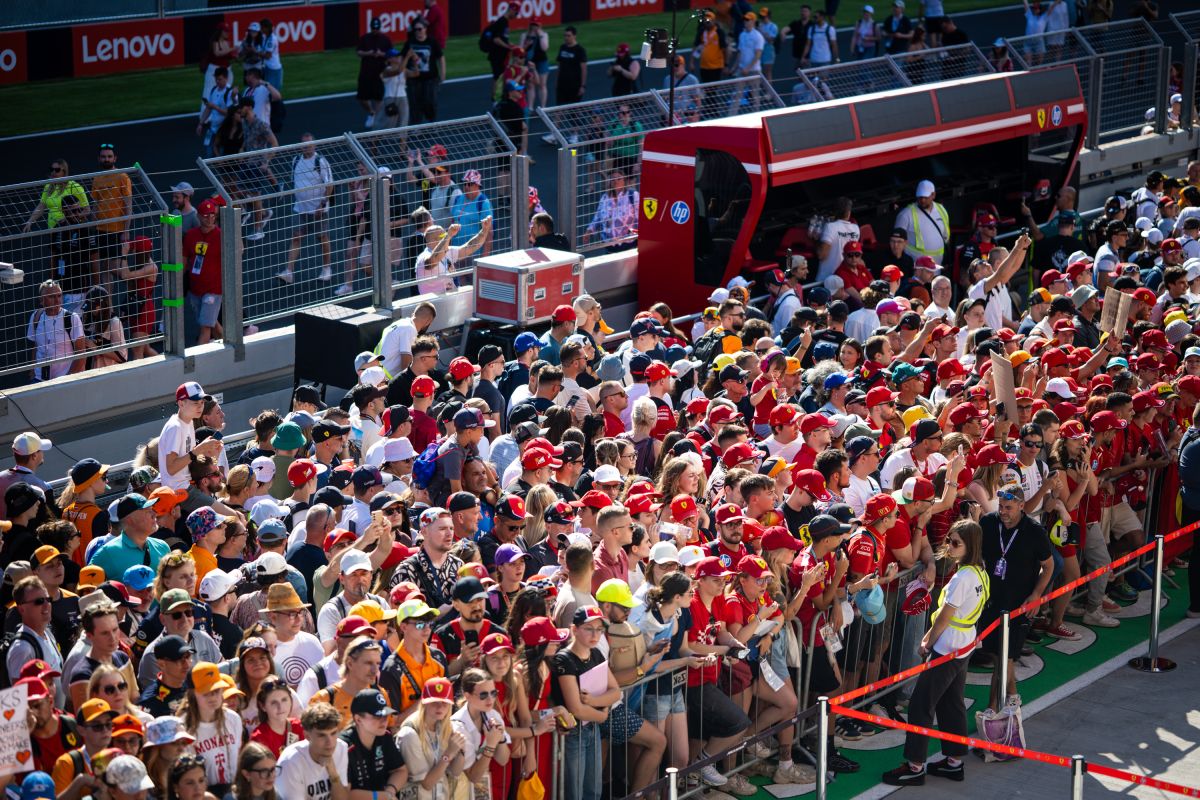
Norris's comments did not land in a vacuum. Race weekend round-ups and F1 forums have carried a version of this complaint since the season opener in March, when the first qualifying session under the new rules left much of the paddock and its audience unimpressed. One long-running Autosport forum thread, still active months later, has spent the season debating what the FIA does next if the regulations continue to divide opinion this badly.
Fans Mostly Sided With Norris, With One Exception
Several readers responding to race-weekend coverage said they agreed with Norris outright, some adding they were surprised a driver under contract with an engine manufacturer had gone that far in public
A smaller group pushed back, arguing complaints about the rules conveniently increase whenever a driver or team is not the one benefiting from the current pecking order
A recurring theme across fan comments is frustration that broadcasts have quietly dropped onboard battery and energy graphics that used to make the strategy visible during a race
None of this is new for Verstappen specifically. As Mercedes boss Toto Wolff made clear years before the 2026 season even began, F1's leadership ruled out revisiting the regulations regardless of who ended up unhappy with them. That history is part of why this week's comments read less like a fresh complaint and more like a season-long argument finally boiling over in public.
The 2026 Regulations F1 Bosses Won't Budge On
For anyone who has not followed the technical side of the complaint, the short version is this: 2026 power units draw roughly half their output from an electrical motor rather than the combustion engine, a much bigger share than before, managed in part by self-learning software that adjusts how energy is deployed based on what it learns lap by lap.
A Small Mistake Now Costs More Than It Used To
A slightly early or late application of throttle can affect how much electrical power is available further down the same straight
Energy-hungry circuits with long straights, such as Silverstone and Spa, have exposed the problem more than tighter, energy-rich tracks
Oscar Piastri, Norris's own teammate, described the software's influence over recent qualifying sessions as a poor way of deciding grid positions, according to Speedcafe's coverage from Spa
Verstappen has been the most persistent voice on this since comparing the season-opening Australian Grand Prix to a well-known video game, a comment widely credited with pushing Formula 1 into making small mid-season adjustments to the regulations. Respected broadcaster Martin Brundle added his own voice to the criticism after Spa, saying the sport had lost some of its most demanding corners to cars visibly backing off to protect battery charge.
Formula 1 has already scheduled further changes to the power unit regulations for 2027 that will reduce the electrical contribution to overall output, an acknowledgment from within the sport itself that the current 50-50 split has caused more disruption than intended. The 2026 rules remain in place for the rest of this season regardless.
Hungarian GP Qualifying Turned Into Chaos

If the paddock needed a live illustration of how unpredictable the 2026 season had become, Saturday's qualifying in Budapest supplied one. Norris took a surprise pole using new McLaren upgrades, but the session's real story was what happened to the rest of the front-runners once the stewards got involved.
A Grid Reshuffled by Penalties, Not Just Pace
Lewis Hamilton was demoted three grid places for impeding Oscar Piastri, dropping him out of the front three despite Ferrari topping both Friday practice sessions
Kimi Antonelli, the championship leader, received a separate three-place penalty for failing to slow sufficiently under yellow flags
George Russell was forced to stop on track with a water leak, the latest reliability setback in a season already complicated by his adjustment to the 2026 Mercedes
Max Verstappen and Red Bull teammate Isack Hadjar both endured a poor qualifying session, adding Red Bull to the list of front-runners left off the front two rows
Norris converted his pole into a race win the following day using a one-stop strategy his own team had reportedly not expected to succeed, a result that landed the same weekend he was telling reporters the sport had lost sight of what makes it a sport in the first place.
A race weekend built around complaints that the 2026 rules have made outcomes too dependent on strategy and software still produced pole position, a genuinely well-executed one-stop, and a clean win for the driver doing the complaining. Norris's criticism of the system and his ability to win inside it were not in conflict all weekend.
Where This Leaves F1 Fans Right Now
Verstappen's core complaint, that the 2026 rules compress the gap between a fast driver and an ordinary one, has an unintended side effect for anyone who follows the sport closely rather than just watching the results.
Tighter fields and closer teammate battles are exactly the conditions that reward paying attention to practice pace, grid penalties, and reliability trouble rather than simply assuming the fastest name on paper will win. That habit of paying attention is really the foundation of building the most effective sports betting strategy, and it usually starts with something as simple as the best websites for live football scores through practice and qualifying rather than waiting for race day.
Hungary was a clean example. The championship leader picked up a penalty. The car that topped practice did not start from the front. The driver who had spent the week criticising the sport's direction still won it, on a strategy call his own engineers had not banked on.
None of that was visible looking only at the standings before the lights went out. It's also a useful gut check for whether your sports betting strategy is actually working, since a method that only holds up when the favourite wins isn't really a method at all.
Eleven Races Left, Starting With Zandvoort
Hungary was round eleven. Eleven more remain before the championship is settled, starting with Zandvoort next month and running through to Abu Dhabi in December.
Fixed-odds prices are built around a favourite, and Hungary just made a fool of one, which is worth remembering heading into a back half of the season this tight. That's where PlayZeet fits in: it is a peer-to-peer betting exchange, which means there is no bookmaker setting a price on Antonelli or Norris at all.
Two fans agree a stake directly, PlayZeet holds both amounts in escrow, and the winner takes both minus a small commission. That kind of matching stands apart from the sportsbook model most Nigerian punters are used to, and that's really the heart of how PlayZeet differs from Nigerian betting sites compared with simply backing the house.
Here's the full run-in to the chequered flag, one weekend after another where a head-to-head stake can be agreed before lights out:
| Grand Prix | Dates |
|---|---|
| Dutch Grand Prix, Zandvoort | 21–23 August |
| Italian Grand Prix, Monza | 4–6 September |
| Madrid Grand Prix, Madrid | 11–13 September |
| Azerbaijan Grand Prix, Baku | 25–27 September |
| Singapore Grand Prix, Marina Bay | 9–11 October |
| United States Grand Prix, Austin | 23–25 October |
| Mexico City Grand Prix | 30 October – 1 November |
| São Paulo Grand Prix, Interlagos | 6–8 November |
| Las Vegas Grand Prix | 19–21 November |
| Qatar Grand Prix, Lusail | 27–29 November |
| Abu Dhabi Grand Prix, Yas Marina | 4–6 December |
Dates are provisional and can shift slightly as each weekend approaches, so it's worth a quick check before locking in a stake.
For each of those weekends, the process is the same one that just played out in Budapest: pick two drivers, agree a stake at even money instead of accepting whatever price a bookmaker sets on the favourite, and let PlayZeet hold both amounts until the chequered flag settles it.
Traditional books rarely advertise this part, but shortening a price the moment a favourite starts winning too often is one of the quieter signs your sportsbook doesn't want you to win, and it's exactly the kind of favourite-chasing habit behind some of the common betting mistakes Nigerian bettors keep making over a long season.
The mechanics of turning that kind of detail into an actual wager, rather than just a stronger opinion, are covered in doubling payouts on driver matchups, which walks through why head-to-head bets respond to grid chaos far better than an outright winner bet does.
The same structure extends naturally to a group of fans watching together rather than betting alone, whether that's for Zandvoort next month or any round after it.
PlayZeet runs three separate group formats, a private bet kept inside a chosen circle, an open bet listed for any user on the platform to join, and an exclusive bet shared only by link, so a Hungary-style argument about who deserved the win does not need to be settled with one slip covering the whole grid. Different pairings, and different opinions, can all run inside a single watch party at once.
It's a different rhythm from the debate over PlayZeet vs Bet9ja which is better in Nigeria, where one bookmaker sets every price for everyone, and it sits alongside the top peer-to-peer betting sites worth trying if you want to see how the wider market compares.
A group of fans arguing about whether Norris deserved that win, or whether Antonelli's championship lead survives a season this unpredictable, is really just settling grid debates as friends without a bookmaker sitting between the two opinions.
Anyone new to how the platform actually works can start with learning the platform from scratch before Zandvoort opens the run to the end of the season.
For anyone after a broader primer on what beginners need to know about sports betting, the same fundamentals carry over just as well into the 2026 World Cup betting guide and history as they do into a grand prix weekend.
Norris, Verstappen, and F1 Bosses: Who Wants What
Here is a simple breakdown of what each party is actually arguing, since the coverage this week has blurred together several overlapping complaints:
| Who | Core complaint | What they want |
|---|---|---|
| Lando Norris | F1 is run as a business first, a sport second, to attract manufacturers and revenue | Drivers given the biggest voice in shaping the sport's direction |
| Max Verstappen | Energy deployment software neutralises the advantage of raw driver speed | A return to lap time gains that are not clawed back by battery management |
| Oscar Piastri | Self-learning power unit software has too much influence over qualifying outcomes | More predictable, driver-controlled performance in qualifying |
| Formula 1 (official response) | Decisions are made for the best strategic outcome for fans, teams, and partners | Continued commercial growth alongside on-track competition |
The Bottom Line
Formula 1 heads into its summer break with two of its biggest names publicly frustrated with the direction of the sport, for reasons that overlap without being identical.
Norris's complaint is fundamentally about who the sport is being run for. Verstappen's is about whether the fastest driver can still simply be the fastest driver.
Both landed in the same week that produced a grid reshuffled by penalties rather than pure pace, and a winner who had just finished criticising the system that produced his win.
None of that resolves the argument. Formula 1's own statement made clear it sees no need to change course, and the electrical share of the power unit is not scheduled to shrink until 2027.
What it does mean, for anyone watching rather than just reading the results, is that the gap between the sport's biggest complaint and its most entertaining weekend has rarely been this thin.
Frequently Asked Questions
- What did Lando Norris say about F1 in 2026?
- Norris told reporters ahead of the Hungarian Grand Prix that Formula 1 has become too heavily driven by business decisions, arguing the current engine regulations exist largely to attract manufacturers such as Audi, and calling the situation a shame that should never have been how the sport was run.
- Why is Max Verstappen criticising F1's regulations?
- Verstappen believes the 2026 energy deployment rules neutralise the advantage a genuinely faster driver should have through a corner, since carrying extra speed can cost battery power later on the straight, and he says more people are now recognising the same problems he raised earlier in the season.
- What happened in Hungarian Grand Prix qualifying 2026?
- Lando Norris took a surprise pole using new McLaren upgrades, while Lewis Hamilton and Kimi Antonelli were both handed three-place grid penalties for separate incidents, George Russell had to stop on track with a water leak, and Red Bull endured a poor session for both of its drivers.
- Why do F1 drivers dislike the 2026 cars?
- Drivers including Verstappen, Piastri, and Norris have criticised how self-learning power unit software manages energy deployment, arguing it punishes small driving mistakes, reduces the reward for raw speed through corners, and has made overtaking depend more on remaining battery charge than a genuine driving move.